LogoSeedance 2.0 AI
  • Create
  • AI Image
  • AI Video
  • Prompts
  • Pricing
  • API
ReleasedAugust 2025

Nano Banana Flash Image Generator

Nano Banana Flash is Google's faster hosted image model for quick generation and editing. It is most useful when you want fast turnaround, several reference images, and a lighter editing loop for concept work, marketing drafts, or quick visual updates.

Loading...

Prompt:

auto

1:1

9:16

16:9

3:4

4:3

3:2

2:3

Model:

Loading...

No Preview

How to use Nano Banana Flash

Use Nano Banana Flash here for faster image generation and editing loops

Start with a direct prompt, add references when they help, and move through short edit cycles until the concept is ready to keep or hand off.

01

State the visual task clearly

Say what you want to generate or change, what should stay fixed, and what kind of output you need in the end.

02

Add the references that define the direction

Use up to ten references when you want Nano Banana Flash to blend product identity, layout, styling, or mood across a faster workflow.

03

Iterate in short, specific edits

Ask for one or two changes at a time so you can compare versions quickly and keep the editing loop moving.

Core strengths of Nano Banana Flash

What stands out about Nano Banana Flash when speed matters

Nano Banana Flash is the faster route in this family. It is most useful when edits, boards, and social assets need to come together quickly without waiting on a heavier polished pass.

Fast enough for quick edit-turnaround work

Nano Banana Flash is useful when room refreshes, product swaps, or layout changes need to happen quickly in a hosted tool.

That makes it practical for fast creative iteration and quick review changes.
It works best when you know the direction and want speed more than perfect finish.
Use it when the job is to move quickly through alternatives.

Practical for storyboard-like and panelled assets

Flash also works well for boards, panels, and fast multi-part layouts when the image should communicate several beats at once.

That helps with product storyboards and launch-sequence concepts.
The faster workflow is useful when you need several board versions in one session.
It fits tasks where speed is part of the decision.

Useful for lighter multi-image direction

Nano Banana Flash can also help when several inputs influence one collage-like or board-like image, but the workflow should stay fast.

That is useful for sneaker variants, travel kits, and fast comparison sheets.
It gives more structure than a single image without moving to a slower route.
Use it when you need direction quickly, not maximum polish.

A good fit for fast social launch assets

Flash is a practical route for snackable launch visuals, quick promos, and social-first creative when turnaround is part of the requirement.

That makes it useful for fast ad variants and seasonal social creatives.
It performs best when the image goal is clear and compact.
Choose it when speed and volume matter more than finish.
Best use cases

Where Nano Banana Flash works best

Nano Banana Flash works best when the job needs quick concepting, quick edits, or several short rounds of visual iteration inside one hosted model.

Fast social and campaign drafts

Use it for social launch visuals, ad concepts, and quick creative options when you want a fast first pass instead of a fully polished final immediately.

Room, product, and scene refresh edits

A practical fit for quick before-and-after style edits where the structure already exists and the goal is to change look, styling, or detail.

Multi-image blends and mood boards

Bring in several references when you want to combine product cues, textures, or brand direction into one faster concept output.

Storyboards and sequential variations

Use Nano Banana Flash for panels, draft sequences, or fast versioning when you care more about speed and coverage than one perfect final frame.

Prompt patterns and examples

How to write better Nano Banana Flash prompts with real examples

These examples focus on tasks where Nano Banana Flash shines: fast edits, practical layout changes, and quick concepting with several short prompt passes.

Interior edit

Good prompt fit

Best for quick room refreshes where the structure should stay but the look needs to change fast.
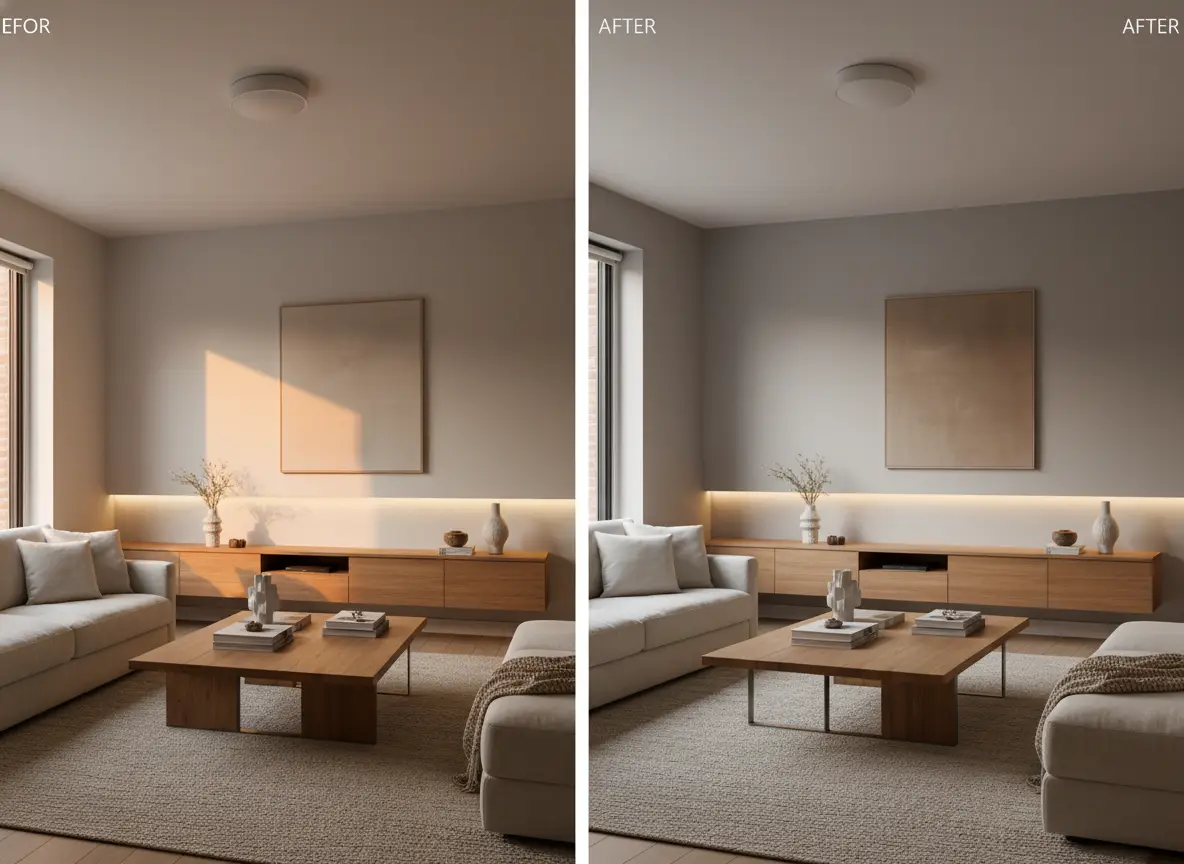
A fast living-room refresh edit with warmer materials and a cleaner styling direction.

Fast living-room refresh edit

Prompt formula

[what stays] + [what changes] + [new style direction] + [lighting mood] + [usage goal]

View prompt detailsExpand

Full prompt

Keep the living-room layout and camera angle from the reference image. Refresh the room with warm oak accents, a lighter linen sofa, soft indirect afternoon light, and a calmer premium-home styling direction. Make it look like a realistic interior refresh for a design studio presentation, not a full renovation.

Why it works

This kind of narrow edit request suits Nano Banana Flash because the change list is clear and easy to iterate in several quick passes.

Output goal

A believable before-and-after style refresh for interior design, staging, or campaign concept work.

Tips

  • List what stays first so the scene does not drift too far.
  • Keep the edit scope narrow enough for a fast model to follow cleanly.
Storyboard

Good prompt fit

Best for quick panel-based concepting when you want to see a simple sequence before polishing.

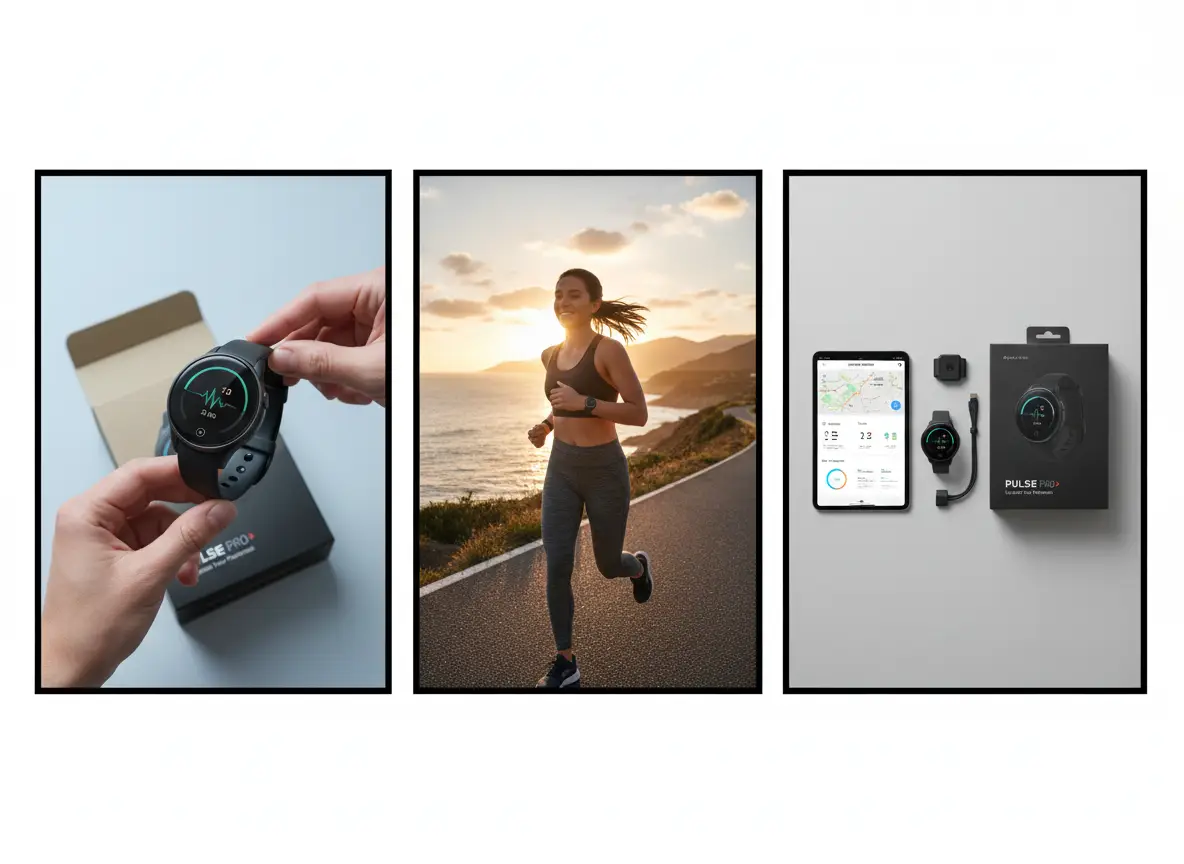
A three-panel product storyboard for a wearable device launch concept.

Three-panel product storyboard

Prompt formula

[subject] + [number of panels] + [what each panel shows] + [visual style] + [presentation note]

View prompt detailsExpand

Full prompt

Create a three-panel storyboard for a wearable fitness tracker launch. Panel one: close-up product reveal on a clean background. Panel two: runner wearing the tracker outdoors at sunrise. Panel three: product resting beside the app screen and packaging. Use a modern commercial style, clear panel separation, and a fast concepting feel rather than a finished ad campaign.

Why it works

Nano Banana Flash is useful when you want several frames or variations quickly without waiting on a heavier production-style render.

Output goal

A fast storyboard draft for campaign planning, internal alignment, or creative direction.

Tips

  • Say exactly how many panels you want.
  • Describe one role for each panel so the sequence stays readable.
Multi-image blend

Good prompt fit

Best for quicker mood-board style blends that combine materials, silhouette, and campaign direction from several references.

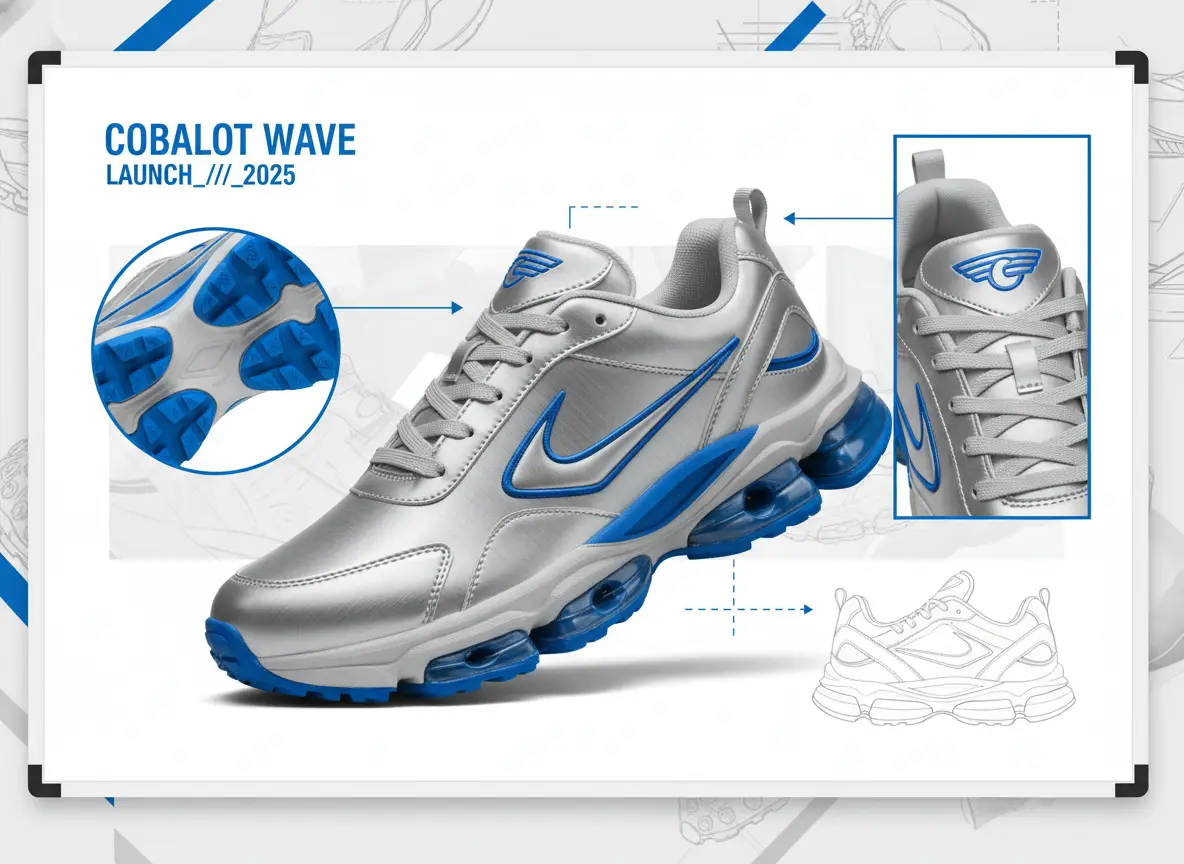
A sneaker collage concept blending references for silhouette, materials, and campaign styling.

Multi-image sneaker collage concept

Prompt formula

[hero object] + [reference roles] + [blend direction] + [layout] + [brand mood]

View prompt detailsExpand

Full prompt

Create a sneaker concept collage using multiple references. Use one reference for the shoe silhouette, one for metallic silver material direction, one for bright cobalt accents, and one for the campaign mood. Present the result as a fast concept board with one hero sneaker, two supporting detail angles, and a bold sportswear launch energy on a clean background.

Why it works

The prompt gives each reference a specific role, which helps a faster model combine them without turning into visual noise.

Output goal

A quick blend-style concept board that helps a creative team compare directions before choosing a final path.

Tips

  • Tell the model what each reference controls.
  • Ask for one hero object plus a few supporting views, not a crowded collage.
Social draft

Good prompt fit

Best for social launch visuals when speed matters more than squeezing every last detail out of the image.

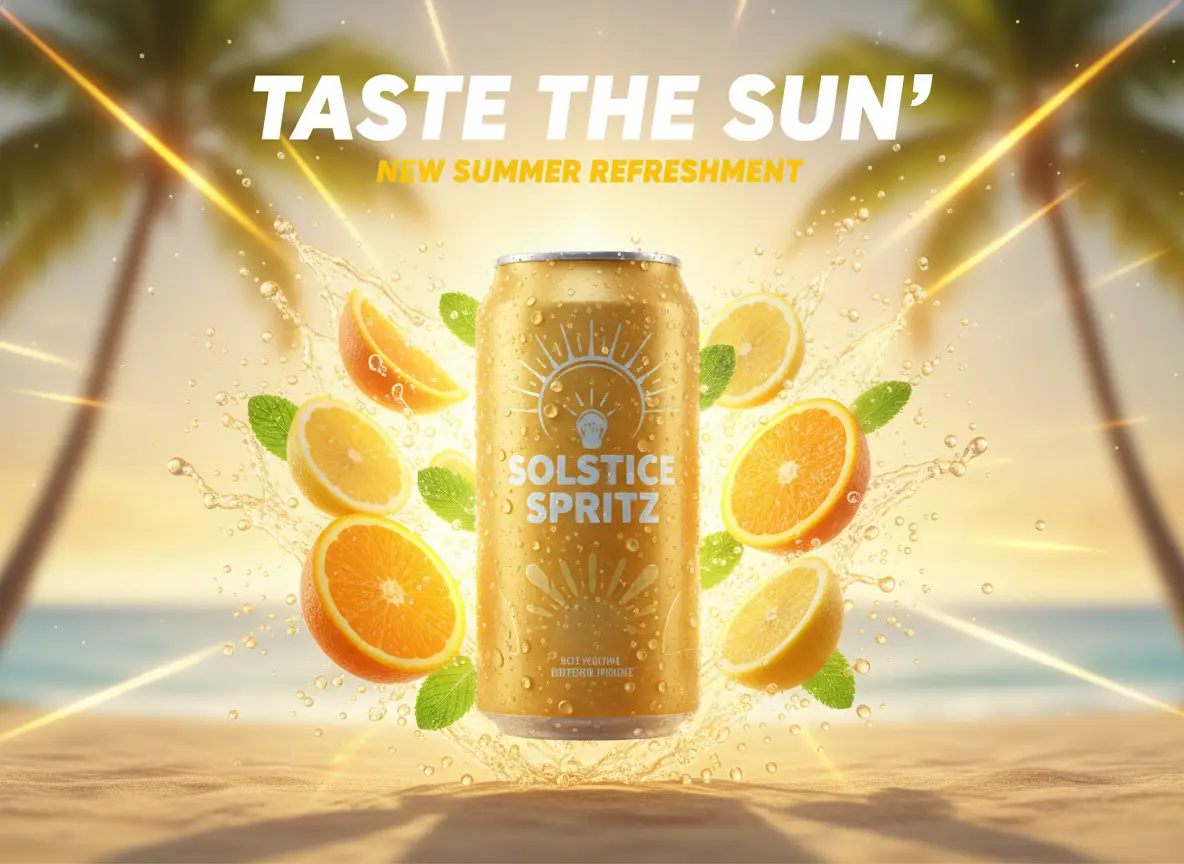
A quick social launch visual for a beverage campaign with bright color and product focus.

Quick social launch visual

Prompt formula

[campaign subject] + [hero composition] + [headline mood] + [platform usage] + [color / lighting]

View prompt detailsExpand

Full prompt

Create a fast social launch visual for a sparkling citrus drink. Show one cold can with condensation, a bright splash of citrus slices, a clean centered composition, and room for a short headline at the top. Use warm summer daylight, bold yellow and orange accents, and a visual style that feels ready for an Instagram announcement draft.

Why it works

This type of social-first brief is short, direct, and easy to iterate, which plays to Nano Banana Flash's speed advantage.

Output goal

A fast social-first campaign draft that can be reviewed or iterated quickly.

Tips

  • Name the platform or placement so the crop feels intentional.
  • Keep the headline instruction simple if text is not the main point.
When to choose Nano Banana Flash

Choose Nano Banana Flash when fast iteration matters more than maximum polish

Nano Banana Flash is the better choice when you want to move quickly through ideas, edits, or short visual loops without turning every request into a heavier production render.

Choose Nano Banana Flash when the job needs speed and several quick passes

Use it for draft-heavy workflows, quick edits, storyboards, and marketing concepting where the value comes from fast iteration and visual coverage.

Use another model when polish, grounding, or open deployment matter more

Choose Nano Banana Pro for more polished structured outputs, Nano Banana 2 when optional web grounding matters, and Z-Image when open weights or local deployment are part of the decision.

Community proof

Video walkthroughs and outside reviews for Nano Banana Flash

These videos add outside creator perspective on the faster Nano Banana route and how it is used in quick hosted image workflows.

Video examples

FAQs

FAQ

About Seedance 2.0 and our platform

What is Nano Banana Flash?

Nano Banana Flash is Google's faster hosted image model in this lineup. It is designed for image generation and editing when speed, iteration, and quick response to natural-language changes matter more than maximum polish.

What is Nano Banana Flash best for?

Nano Banana Flash works well for fast ad drafts, room refreshes, multi-image collages, storyboard frames, and quick product or social visual edits where you want several iterations without waiting on a heavier model.

Does Nano Banana Flash support image input here?

Yes. On this page, Nano Banana Flash supports up to ten reference images. That makes it useful for quick mood boards, blend-style requests, and faster editing workflows that still depend on several inputs.

Which aspect ratios does Nano Banana Flash support here?

Nano Banana Flash supports 1:1, 9:16, 16:9, 3:4, 4:3, 3:2, 2:3, and auto here. This page does not expose a separate resolution switch for the model.

How do I write better Nano Banana Flash prompts?

Keep the request direct. Say what should change, what should stay, and what the final asset is for. Nano Banana Flash responds well when the prompt is concrete and easy to iterate, not overloaded with every possible style keyword.

When should I use Nano Banana Flash instead of Nano Banana Pro or Nano Banana 2?

Choose Nano Banana Flash when you want faster iteration and a lighter-cost hosted workflow. Use Nano Banana Pro when fidelity and polished structure matter more. Use Nano Banana 2 when web grounding and newer current-information workflows matter more.

Is Nano Banana Flash good for editing existing images?

Yes. It is useful for quick editing passes, room or product refreshes, layout variations, and multi-image blends when the goal is to explore options quickly.

Can I use Nano Banana Flash images commercially?

For production work, review Nano Banana Flash output the same way you would review output from any other hosted image model. Commercial suitability depends on your use case, review standards, and the platform terms that apply here.

Still have questions? We're here to help

Join Discord
Related models

Compare Nano Banana Flash with other image models on this site

If Nano Banana Flash is not the exact fit, compare it with these model pages for more polished output, grounding support, or a different prompt and deployment tradeoff.

Nano Banana Pro Image Generator

Open Nano Banana Pro when you want a more polished final output and stronger structure before the asset leaves the generator.

Explore model

Nano Banana 2 Image Generator

Compare with Nano Banana 2 when optional web grounding and newer current-information workflows matter more than pure speed.

Explore model

Flux 2 Image Generator

Try Flux 2 when you want a different visual bias and another hosted workflow for prompt-led generation.

Explore model

GPT-4o Image Generator

Compare with GPT-4o when readable text and layout-heavy hosted editing are the main priorities.

Explore model

Try Nano Banana Flash here

Open the generator, start with a direct prompt, and iterate quickly through edits, blends, and campaign drafts.

LogoSeedance 2.0 AI

Powered by Seedance 2.0 AI | Fast Video Generation | Professional Quality

TwitterX (Twitter)DiscordEmail
Resources
  • Blog
  • Create
  • Scenes
  • Works
  • Prompts
  • Seedance 2.0 API
Company
  • About
  • Contact
Legal
  • Privacy Policy
  • Terms of Service
  • Refund Policy
Image Models
  • Z-Image
  • GPT-4o
  • Flux 2
  • Flux 2 Pro
  • Flux 2 Klein
  • Qwen Image 2
  • Seedream 4.0
  • Seedream 4.5
  • Seedream 5.0
  • Grok Imagine
  • Nano Banana Pro
  • Nano Banana Flash
  • Nano Banana 2
Video Models
  • Google Veo 3.1
  • Google Veo 3.1 Pro
  • Seedance 1.5 Pro
  • Seedance Fast
  • Seedance Quality
  • Seedance 2.0
  • Hailuo 02
  • Kling v2.6
  • Kling v2.5 Turbo
  • Kling v2.1
  • Kling v2.1 Master
  • Kling v2 Master
  • Kling O1
  • Kling v3.0
  • Kling v3.0 Pro
Friends
  • Seedance AI
  • Seedream AI
  • Kling AI

This website is an independent third-party service built around Seedance-related workflows. We are not the official website of ByteDance or Seedance. Seedance and related trademarks belong to their respective owners.

© 2026 Seedance 2.0 AI All Rights Reserved. DREAMEGA INFORMATION TECHNOLOGY LLC
[email protected]